SRE Transformation for Real-Time Payments

Teceze introduced transaction-centric SRE for an always-on payment platform, connecting customer outcomes to observability, resilience, progressive delivery and 24×7 service ownership. The engagement transformed payment reliability from infrastructure-level monitoring to transaction-journey observation, achieving 99.99% service objective for critical flows, 55% faster restoration time, and 25–30% reduction in avoidable transaction failures.

About the Client

A payment platform supporting mobile, internet banking, merchant and partner transactions around the clock. The platform operates mission-critical transaction flows requiring uninterrupted service with zero tolerance for failure. Prior to the engagement, availability was measured at infrastructure level even though customers experienced failures caused by downstream services, latency and timeouts. Incident diagnosis required manual correlation across channels, APIs, payment switches, fraud services, databases and external networks. Change freezes were used to protect stability, but they slowed delivery without systematically reducing operational risk.

At a glance

Industry
BFSI — Payment Platforms (24×7 Operations)
Headquarters
Global payment processing operations
Products & services
Real-time payment processing, transaction authorization, fraud detection, settlement and reconciliation
Challenge
Moving from technical monitoring to business-service reliability, connecting customer outcomes to observability

Success highlights

  • 99.99% service objective achieved for critical transaction flows
  • 55% faster restoration time during incidents
  • 25–30% reduction in avoidable transaction failures
  • Zero capacity-related incidents in peak transaction windows
  • Transaction journey-level reliability measures implemented
  • 24×7 SRE operating model established with incident command
  • Full-stack observability across all transaction dependencies
  • Progressive delivery with error budgets replacing change freezes

The challenge

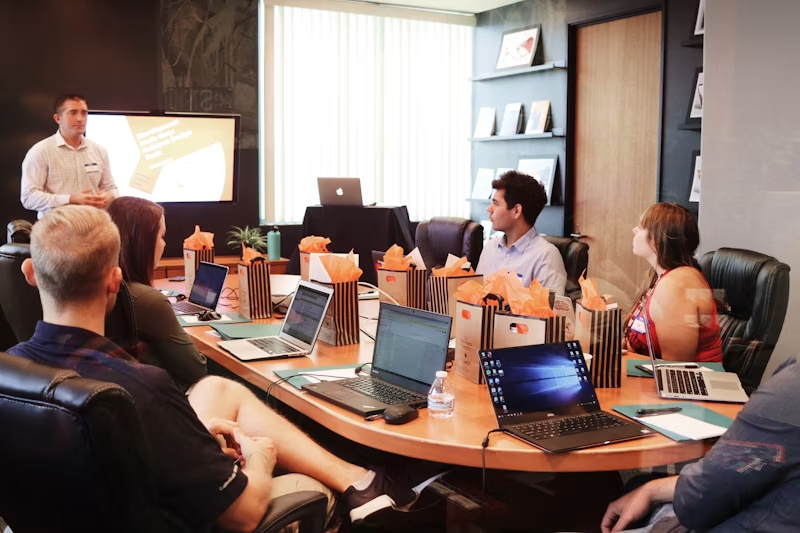
Corporate meeting

Connecting Infrastructure Monitoring to the Business Outcomes Customers Actually Experience

The constraint: Infrastructure-level availability metrics, downstream service failures, cascading latency across the transaction flow

The operating environment required reliability to be understood through the services and outcomes that matter to the business, rather than isolated infrastructure signals. Availability was measured at infrastructure level even though customers experienced failures caused by downstream services, latency and timeouts cascading through the entire transaction flow.


Our approach

Transaction-Centric SRE Model Combining Service-Level Objectives, Observability, Resilience Validation, Incident Response and Continuous Engineering Improvement

Teceze applied a practical reliability engineering pattern connecting technical signals to business transaction outcomes. The approach combined transaction-centric SLOs defined for initiation, authorisation, completion, latency and reconciliation segmented by channel and payment type, full-stack observability with distributed tracing and correlation IDs across internal and external dependencies, progressive reliability through error budgets, progressive delivery, automated rollback, capacity testing and pre-production resilience validation, and 24×7 SRE operating model with incident command, automated diagnostics, service ownership, blameless reviews and reliability engineering priorities.

From challenge to transformation, the solution included:

Transaction-Centric SLOs

Defined SLIs and SLOs for initiation, authorisation, completion, latency and reconciliation, segmented by channel and payment type, connecting reliability targets directly to customer-facing transaction outcomes rather than infrastructure signals.

Full-Stack Observability

Implemented distributed tracing and correlation IDs across internal and external dependencies to accelerate diagnosis, providing visibility into the entire transaction journey from customer initiation through payment switch and back.

Progressive Reliability

Introduced error budgets, progressive delivery, automated rollback, capacity testing and pre-production resilience validation, replacing change freezes with data-driven risk management tied to actual transaction reliability.

24×7 SRE Model

Created incident command structure, automated diagnostics, service ownership accountability, blameless post-incident reviews and a reliability engineering backlog driving continuous operational improvement.

Governance and Reporting Cadence

Operational transparency and stakeholder alignment are critical to program success. A layered governance model keeps SLO attainment and reliability engineering priorities visible across the platform:

Cadence Forum Focus
Daily Incident & On-Call Stand-up Active incidents, on-call handoffs, SLO burn-rate alerts
Weekly SLO & Error Budget Review SLO attainment by transaction segment, error budget consumption, reliability backlog
Monthly Reliability Governance Call Incident trends, blameless post-incident review outcomes, capacity and resilience testing status
Quarterly Business Review Reliability engineering roadmap, platform investment planning, SLO target evolution

The Results

Transaction-Centric SRE Delivering Measurable Reliability Improvement

99.99%Service Objective (Critical Flows)
55%Faster Restoration
25–30%Reduced Avoidable Failures
99.99%Service objective achieved for critical transaction flows, consistently maintained through traffic spikes and peak payment windows, with zero capacity-related incidents in peak transaction windows
55%Faster restoration time during incidents through automated diagnostics and distributed-tracing visibility, backed by a 24×7 SRE operating model
25–30%Reduction in avoidable transaction failures through progressive delivery, resilience testing and error-budget governance, with transaction journey-level reliability measures replacing infrastructure-only metrics

What the client says

“Payment processing requires reliability to be measured where customers experience it—at the transaction level. Before Teceze, we were measuring infrastructure availability while customers experienced transaction failures from downstream services and latency cascades. Their transaction-centric SRE approach made the entire journey visible. Correlation IDs across all dependencies mean diagnosis is hours faster. Error budgets and progressive delivery replaced change freezes, and we’re shipping safely 3x faster. They transformed us from infrastructure-focused to business-outcome focused.”

– VP, Digital Reliability & Operations, Global Payment Platform

Delivery partnership

How Teceze Executes on This Engagement

Teceze provides transaction-centric SRE services including service-level objective definition for critical payment journeys, full-stack observability implementation with distributed tracing across all dependencies, resilience testing and pre-production validation, progressive delivery framework with error budgets and automated rollback, incident command and response procedures, blameless post-incident review processes, and continuous reliability engineering prioritization. The engagement includes 24×7 operational support, automated diagnostics, runbook development and execution, and quarterly business reviews connecting operational metrics to business transaction outcomes.


Looking ahead

Building Reliability Into the Next Phase

The representative roadmap focuses on extending service coverage, increasing automation and turning operational learning into measurable engineering improvements.