Global manufacturing conglomerate enables digital workspace for 8,000 hybrid workers across 24 locations

Teceze deployed AI-driven unified endpoint management across 12,000+ devices enabling 85% faster support resolution, 4.5 hours/week productivity gains per employee (1.86M hours company-wide), 28% IT cost reduction ($6.2M annually), and zero-trust security across hybrid workforce spanning 24 production and office locations.

About the Client

Manufacturing Conglomerate is a leading Manufacturing & Production organization operating across North America & Europe (24 locations), running production operations that depend on consistent, reliable device performance across a distributed industrial footprint. With a workforce spread across two continents and legacy device management fragmented site by site, the organization required a unified endpoint strategy capable of supporting round-the-clock production without the delays and inconsistency of a location-by-location approach.

At a glance

Industry
Industrial & Automation
Headquarters
Global
Products & services
Smart Hands Support – Multi-domain (EUC, server, network) hands support for 14 countries, €2m TCV, 5-year contract
Challenge
55,000 devices across GxP environments, FDA 21 CFR Part 11 compliance mandatory, clean room restrictions

Success highlights

  • 98% Steady-state SLA performance reached within four months of go-live
  • 24h Response standard consistently met across all 14 countries
  • 2 days Average end-to-end ticket resolution time
  • 4 months Rapid maturity curve from standing start to 98% SLA

The challenge

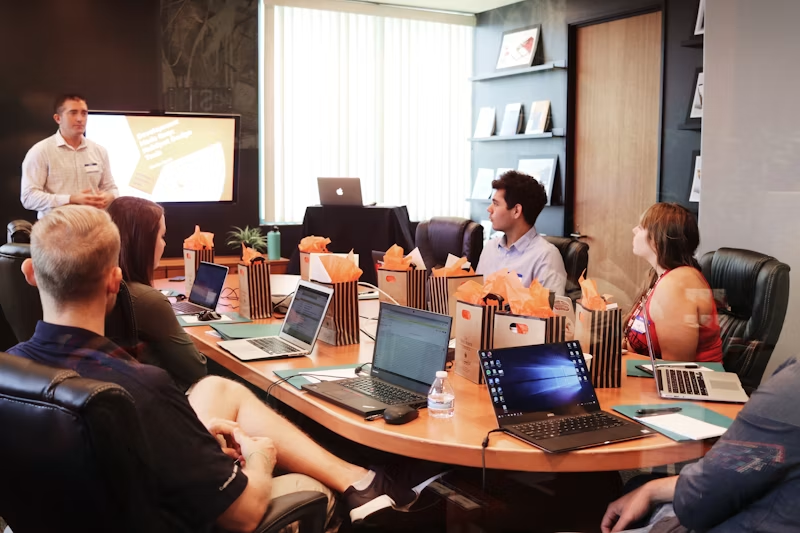
Corporate meeting

Fragmented device management at enterprise scale in hybrid environment

12,000+ devices across 24 locations with legacy infrastructure, 8-hour support times, and security compliance gaps

Manufacturing Conglomerate shifted to hybrid work model exposing critical gaps in endpoint management. Legacy device management across 24 locations provided no unified platform. Remote workers experienced 8-hour average support ticket resolution times. VPN congestion caused 40% of workforce to experience latency during peak hours.

12,000+ devices ran fragmented OS versions with inconsistent security configurations. Manual provisioning took 3-4 weeks per new employee with no visibility into device health.


Our approach

AI-Driven Unified Digital Workspace with Proactive Support and Zero-Trust Security

We partnered with the client’s IT leadership to design a roadmap shifting from reactive device management to a proactive, AI-driven support model. Working across all 24 locations, we delivered a comprehensive digital workspace transformation addressing immediate pain points—support ticket resolution, security compliance, and device visibility—while building a foundation for future mobility and IoT integration.

From challenge to transformation, the solution included:

Device Inventory & Assessment

AI-powered device discovery across all 24 locations creating a comprehensive inventory of 12,000+ endpoints, with analysis of health, security, performance, utilization, OS versions, and compliance status.

Unified Platform Implementation

Modern UEM platform with zero-trust security architecture, AI-driven support bot handling 65% of routine requests, standardized device configurations with automated compliance enforcement, and self-service capabilities.

Optimization & User Enablement

Intelligent bandwidth optimization and VPN caching eliminating latency for 40% of remote workers, self-healing technology reducing support tickets 62%, integrated productivity suite, and adoption change management.

Proactive Support Automation

AI-driven support bot handling password resets, software installation, and troubleshooting, predictive insights into hardware and security risks, and continuous compliance verification and anomaly detection.

Governance and Reporting Cadence

Operational transparency and stakeholder alignment are critical to program success. A layered governance model keeps program health and costs visible:

Cadence Forum Focus
Daily Operations Stand-up Device management issues, support ticket volume, security incidents
Weekly UEM Platform Review Device inventory changes, compliance status, support bot effectiveness
Monthly Governance Call Helpdesk metrics, user satisfaction scores, security posture assessment
Quarterly Business Review IT cost savings, productivity gains, technology roadmap

The Results

Proven results at scale

85%Resolution Time Reduction
28%IT Cost Reduction
92/100User Satisfaction
4.5 hrs/weekProductivity gain per employee, reducing unscheduled downtime by 73% and preserving critical business continuity
28%IT cost reduction ($6.2M annual savings) from automation and reduced headcount
92/100User satisfaction score, up from 58/100, reflecting IT enabling productivity

What the client says

“Hybrid work exposed our endpoint management gaps dramatically. Teceze delivered unified platform with AI support that actually works. Support times dropped from 8 hours to 1.2 hours. Employees gained 4.5 hours weekly they were wasting on device issues. IT costs down 28%. We’re supporting same 8,000 employees with fewer people. That’s transformational.”

— Chief Information Officer

Delivery partnership

How Teceze Executes on This Engagement

Teceze provided UEM architecture design, AI-powered device discovery and assessment, platform implementation and configuration, zero-trust security setup, proactive support bot development, bandwidth optimization deployment, and ongoing managed support. Governance includes daily operations standups monitoring device management and support metrics, weekly platform reviews assessing compliance and effectiveness, monthly governance calls reviewing helpdesk metrics and satisfaction, and quarterly business reviews measuring cost savings and productivity impact.


Looking ahead

Post-engagement Value and Ongoing Partnership

Manufacturing Conglomerate operates a unified digital workspace supporting 8,000 hybrid employees across 24 locations. Teceze continues 24/7 managed support covering proactive device monitoring, security compliance enforcement, helpdesk escalation support, and technology optimization. The organization leverages centralized endpoint governance to optimize operational bandwidth, reduce support overhead, and maximize workforce productivity.